

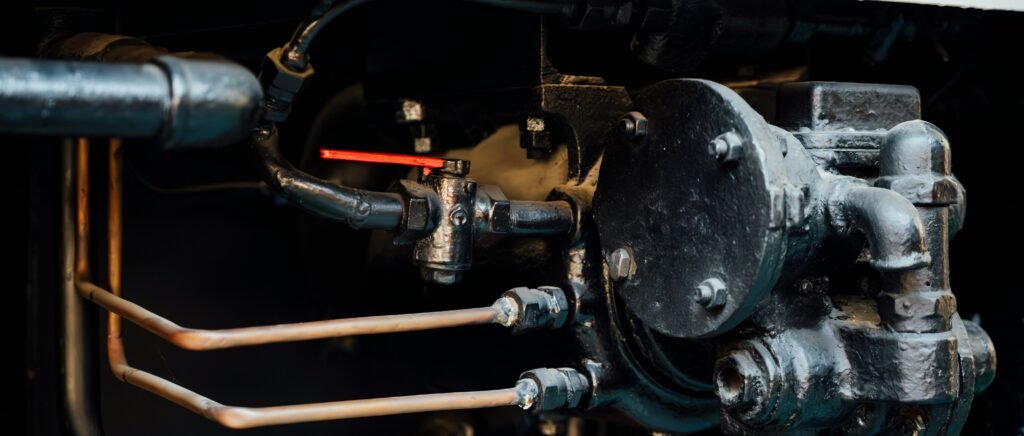
Boiler noises can be a source of concern for homeowners, especially during the frigid winters in New York and the Tri-State area. Understanding the common causes of these sounds is crucial for effective troubleshooting. One prevalent issue is kettling, which occurs when limescale builds up on the heat exchanger. This buildup restricts water flow, causing it to overheat and produce steam bubbles that create a rumbling noise. If you hear a sound resembling a kettle boiling, it’s a clear indication that your boiler may need immediate attention.
Another common cause of boiler noises is air trapped in the system. When air pockets form within the pipes, they can lead to gurgling or bubbling sounds as water struggles to flow past these obstructions. This issue often arises after a system has been drained or if there are leaks. Additionally, loose components or worn-out parts can contribute to rattling or banging noises. Identifying these sounds early can prevent more significant issues down the line, ensuring your heating system operates efficiently and quietly.
If you’re looking to enhance your understanding of heating system maintenance, you might find the article on heating system installation particularly useful. It provides valuable insights into the various aspects of heating systems, which can help you better appreciate the importance of addressing issues like boiler noises. For more information, you can read the article here: Heating System Installation.
Steps to Take to Fix Boiler Noises
When faced with unsettling boiler noises, taking immediate action is essential. Start by checking the pressure gauge on your boiler. If the pressure is too low, it may indicate a leak or insufficient water in the system. Refill the system as needed and monitor for any changes in noise levels. If the pressure is too high, it could lead to further complications, so consider bleeding radiators to release excess pressure.
If you suspect kettling due to limescale buildup, a descaling solution may be necessary. These products can help dissolve mineral deposits and restore proper function. However, if you’re uncomfortable performing these tasks or if the noises persist, it’s wise to consult a professional HVAC technician. They can conduct a thorough inspection and provide tailored solutions to address the specific issues affecting your boiler.
Importance of Regular Heating Maintenance

Regular heating maintenance is not just a recommendation; it’s a necessity for homeowners in New York and the Tri-State area. Seasonal maintenance ensures that your boiler operates at peak efficiency, reducing the likelihood of unexpected breakdowns during the coldest months. A well-maintained system can significantly lower energy bills, as it uses less fuel to heat your home effectively.
Moreover, routine maintenance extends the lifespan of your heating system. Just like any other appliance, boilers require care and attention to function optimally. Neglecting maintenance can lead to costly repairs and replacements down the line. By investing in regular check-ups, you’re not only safeguarding your comfort but also protecting your wallet from future expenses.
DIY Heating Maintenance Tips

Homeowners can take several proactive steps to maintain their heating systems and minimize potential issues. One effective DIY tip is to regularly check and replace air filters. Clogged filters restrict airflow, forcing your boiler to work harder and potentially leading to overheating and noise issues. Aim to replace filters every one to three months, especially during peak heating seasons.
Another essential maintenance task is bleeding radiators. This process releases trapped air that can cause gurgling noises and uneven heating throughout your home. To bleed a radiator, simply use a radiator key to open the valve slightly until water begins to escape. This simple task can enhance your system’s efficiency and reduce unwanted sounds.
If you’re experiencing unusual sounds coming from your heating system, it might be time to address those boiler noises with some easy maintenance tips. For a deeper understanding of how to keep your heating system running smoothly, you can check out a related article on essential heating maintenance practices. This resource provides valuable insights that can help you avoid costly repairs in the future. To learn more, visit this article for expert advice on maintaining your heating system effectively.
Signs That Your Boiler Needs Maintenance
| Issue | Possible Cause | Solution |
|---|---|---|
| Boiler making banging noises | Air in the system, kettling, or pump failure | Bleed radiators, descale the heat exchanger, or replace the pump |
| Boiler making whistling noises | Pressure too high, air in the system, or faulty valve | Check pressure gauge, bleed radiators, or replace the faulty valve |
| Boiler making gurgling noises | Blocked condensate pipe or air in the system | Clear the condensate pipe or bleed radiators |
Recognizing the signs that your boiler requires maintenance is crucial for preventing more severe issues. Unusual noises are often the first indicator that something is amiss. If you notice persistent banging, clanking, or hissing sounds, it’s time to investigate further. These noises can signal various problems, from air in the system to more serious mechanical failures.
In addition to unusual sounds, pay attention to changes in heating performance. If certain rooms are colder than others or if your boiler struggles to maintain a consistent temperature, these could be signs of underlying issues that need professional attention. Other red flags include leaks around the boiler or an increase in energy bills without any change in usage patterns. Addressing these signs promptly can save you from costly repairs and ensure your home remains warm and comfortable.
If you’re looking to enhance your home’s heating efficiency, understanding how to fix boiler noises can be an essential part of your maintenance routine. For those considering alternative heating solutions, you might find it helpful to explore options like mini-split systems. These systems not only provide effective heating but also come with their own set of maintenance tips. To learn more about the installation and benefits of mini-split ductless AC systems, check out this informative article on mini-split systems.
Hiring a Professional for Heating Maintenance
While DIY maintenance can be beneficial, hiring a professional HVAC technician is often necessary for comprehensive care. Professionals possess the expertise and tools required to diagnose complex issues that may not be apparent to the average homeowner. They can perform detailed inspections, identify potential problems early on, and recommend appropriate solutions tailored to your specific heating system.
In New York and the Tri-State area, W&P HVAC stands out as a trusted provider of heating maintenance services. Our team of experienced technicians understands the unique challenges posed by local weather conditions and can ensure your boiler operates efficiently year-round. By scheduling regular maintenance with us, you’re investing in peace of mind knowing that your heating system is in expert hands.
Preventing Future Boiler Noises
Preventing future boiler noises involves a combination of regular maintenance and mindful usage practices. One effective strategy is to maintain consistent water levels in your boiler system. Low water levels can lead to overheating and subsequent kettling noises, while excessively high levels can cause pressure issues. Regularly checking and adjusting water levels can help mitigate these risks.
Additionally, consider installing a water softener if hard water is an issue in your area. Softening your water can significantly reduce limescale buildup within your boiler, minimizing the chances of kettling and other related noises. By taking these preventive measures, you can enjoy a quieter heating experience while prolonging the life of your boiler.
Benefits of Proper Heating Maintenance
The benefits of proper heating maintenance extend far beyond just noise reduction. A well-maintained boiler operates more efficiently, translating into lower energy bills for homeowners in New York and the Tri-State area. This efficiency not only saves money but also reduces your carbon footprint, making it an environmentally friendly choice.
Moreover, regular maintenance enhances safety by identifying potential hazards before they escalate into serious problems. A malfunctioning boiler can pose risks such as gas leaks or carbon monoxide exposure, both of which are dangerous for you and your family. By prioritizing maintenance with W&P HVAC, you’re ensuring a safe and comfortable living environment while enjoying peace of mind throughout the heating season.
Help is just a call away—24/7, rain or shine! For a free estimate or to schedule your heating maintenance today, call W&P HVAC at (718) 607-0132. Don’t wait until it’s too late; ensure your home stays warm and quiet all winter long!
FAQs
What are common causes of boiler noises?
Common causes of boiler noises include air in the system, kettling (caused by limescale buildup), a faulty pump, or issues with the water pressure.
How can I fix air in the boiler system?
To fix air in the boiler system, you can bleed the radiators to release the trapped air. This can be done using a radiator key to open the bleed valve and release the air until water starts to come out.
What should I do if my boiler is kettling?
If your boiler is kettling, it may be due to limescale buildup. You can try descaling the system using a descaling solution or contacting a professional to clean the heat exchanger.
How can I maintain the water pressure in my boiler?
To maintain the water pressure in your boiler, you can use the filling loop to add water to the system until the pressure reaches the recommended level, typically between 1 and 1.5 bar.
When should I contact a professional for boiler noises?
If you have tried basic maintenance steps and the boiler noises persist, or if you are unsure about performing any maintenance tasks, it is best to contact a qualified heating engineer to diagnose and fix the issue.