
When your air conditioning system starts blowing hot air, it can feel like a personal crisis, especially during the sweltering summer months in New York and the Tri-State area. The discomfort is immediate, and the frustration can escalate quickly. This issue often signals a malfunction that requires prompt attention. Understanding the underlying causes of this problem is crucial for homeowners who want to maintain a comfortable living environment and avoid skyrocketing energy bills.
Hot air blowing from your AC unit can stem from various issues, ranging from simple to complex. It could be as minor as a thermostat setting or as serious as a refrigerant leak. Regardless of the cause, the result is the same: an uncomfortable home and potential damage to your HVAC system if left unaddressed. By identifying the problem early, you can save yourself from costly repairs and ensure your system operates efficiently throughout the season.
If you’re experiencing issues with your air conditioning unit blowing hot air, you might find it helpful to read more about common HVAC problems and solutions. A related article that provides insights into the importance of regular maintenance and troubleshooting tips can be found at WPHVAC NYC. This resource can guide you through the necessary steps to ensure your AC system operates efficiently and effectively.
Checking for Common Problems: AC Troubleshooting
Before diving into more complex diagnostics, it’s essential to check for common problems that could be causing your AC to blow hot air. Start with the basics: is your thermostat set correctly? A simple misconfiguration can lead to significant discomfort. Ensure that your thermostat is set to “cool” and that the desired temperature is lower than the current room temperature. If everything appears correct but the issue persists, it’s time to explore further.
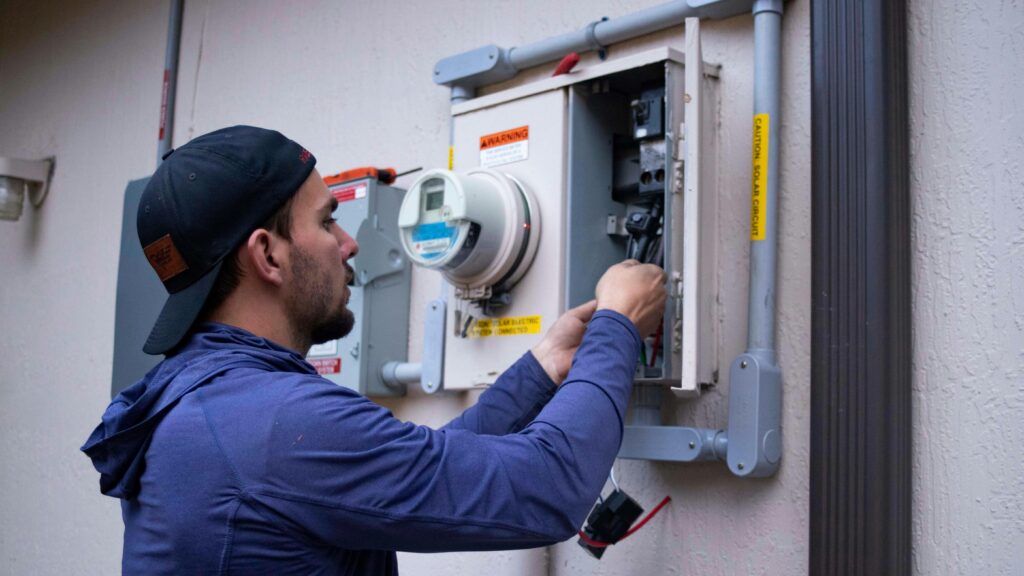
Another common issue is a tripped circuit breaker. If your AC unit has lost power, it will not function correctly. Check your electrical panel for any tripped breakers and reset them if necessary. Additionally, inspect the outdoor unit for any visible obstructions, such as leaves or debris, which could impede airflow. These preliminary checks can often resolve the issue without requiring professional intervention.
Inspecting the Thermostat: AC Troubleshooting

The thermostat is the brain of your air conditioning system, and any malfunction here can lead to hot air blowing through your vents. Begin by inspecting the thermostat for any signs of wear or damage. If it’s an older model, consider upgrading to a programmable or smart thermostat that can optimize your cooling schedule and improve energy efficiency.
Calibration is another critical aspect of thermostat functionality. If your thermostat is not accurately reading the room temperature, it may not signal the AC unit to cool effectively. You can test this by placing a separate thermometer near the thermostat to compare readings. If there’s a significant discrepancy, recalibrating or replacing the thermostat may be necessary to restore proper function.
Examining the Air Filters: AC Troubleshooting

Clogged air filters are one of the most common culprits behind an AC unit blowing hot air. When filters become dirty, they restrict airflow, causing your system to work harder and less efficiently. This not only leads to inadequate cooling but can also increase energy bills and strain your HVAC system.
To address this issue, check your air filters regularly—ideally every month during peak usage seasons. If you find that they are dirty or clogged, replace them with new ones that meet your system’s specifications. Clean filters allow for optimal airflow, ensuring that your AC unit can cool your home effectively and efficiently.
If you’re facing issues with your air conditioning unit blowing hot air, you might find it helpful to explore some additional resources that provide insights into HVAC troubleshooting. For instance, you can check out this article on HVAC maintenance tips which offers practical advice on how to keep your system running efficiently. Understanding the common causes of AC problems can help you diagnose and resolve issues more effectively, ensuring a comfortable indoor environment.
Evaluating the Refrigerant Levels: AC Troubleshooting
| Issue | Possible Cause | Troubleshooting |
|---|---|---|
| AC Blowing Hot Air | Low refrigerant, dirty air filter, faulty compressor, electrical issues | Check refrigerant levels, replace air filter, inspect compressor, check electrical connections |
| AC Not Cooling | Thermostat issues, clogged condenser, frozen evaporator coil | Check thermostat settings, clean condenser, defrost evaporator coil |
| AC Making Strange Noise | Loose parts, worn-out bearings, debris in the unit | Tighten loose parts, lubricate bearings, remove debris |
Refrigerant is essential for your air conditioning system to function correctly; it absorbs heat from inside your home and releases it outside. If your AC is blowing hot air, low refrigerant levels could be a significant factor. This situation often indicates a leak in the system, which requires immediate attention.
To evaluate refrigerant levels, you’ll need specialized tools and knowledge, making this step best left to professionals. However, if you notice ice forming on the evaporator coils or hear hissing sounds near the refrigerant lines, these could be signs of low refrigerant levels. Addressing refrigerant issues promptly not only restores cooling efficiency but also prevents further damage to your HVAC system.
If you’re experiencing issues with your air conditioning unit blowing hot air, it’s essential to understand the common causes and solutions to troubleshoot the problem effectively. For a more comprehensive guide on maintaining your AC system and ensuring optimal performance, you might find this related article helpful. You can explore more about scheduling professional service for your HVAC needs by visiting this link. Taking proactive steps can help you enjoy a cool and comfortable home during the warmer months.
Assessing the Condenser Unit: AC Troubleshooting
The condenser unit plays a vital role in your air conditioning system by expelling heat absorbed from inside your home. If this component is malfunctioning or obstructed, it can lead to hot air blowing through your vents. Begin by inspecting the outdoor condenser unit for any debris or obstructions that may hinder airflow.
Additionally, check for signs of damage or wear on the condenser coils. Dirty coils can significantly reduce efficiency and lead to overheating issues. Cleaning these coils regularly can help maintain optimal performance and prolong the lifespan of your AC unit. If you notice persistent issues with the condenser despite cleaning and maintenance, it may be time to consult a professional technician for further evaluation.
Testing the Electrical Components: AC Troubleshooting
Electrical components are crucial for the operation of your air conditioning system. Faulty wiring or malfunctioning components can lead to various issues, including hot air blowing from your vents. Start by checking the power supply to ensure that everything is functioning correctly.
Inspect fuses and circuit breakers associated with your AC unit; if they are blown or tripped frequently, this could indicate an underlying electrical issue that needs addressing. Additionally, examine contactors and relays for signs of wear or damage. These components are responsible for controlling power flow within your system and must be in good working order for optimal performance.
Seeking Professional Help: AC Troubleshooting
If you’ve gone through these troubleshooting steps and still find yourself facing an AC unit that blows hot air, it’s time to seek professional help. HVAC systems are complex, and diagnosing issues often requires specialized knowledge and tools that only trained technicians possess. Attempting repairs without proper expertise can lead to further complications and costly repairs down the line.
At W&P HVAC, we understand how critical a functioning air conditioning system is for your comfort and well-being. Our team of experienced professionals is available 24/7 to address any HVAC emergencies you may encounter—rain or shine. Don’t let hot air ruin your summer; help is just a call away! Contact us at (718) 607-0132 for a free estimate today and ensure your home remains cool and comfortable all season long.
FAQs
1. What are common reasons for an AC blowing hot air?
Common reasons for an AC blowing hot air include low refrigerant levels, a dirty air filter, a malfunctioning thermostat, a faulty compressor, or a problem with the condenser unit.
2. How can I troubleshoot my AC if it’s blowing hot air?
You can troubleshoot your AC by checking the air filter, ensuring the thermostat is set correctly, inspecting the outdoor condenser unit for debris, and checking for any visible signs of refrigerant leaks.
3. What should I do if my AC is blowing hot air?
If your AC is blowing hot air, you should first check the air filter and thermostat settings. If those are not the issue, it’s best to contact a professional HVAC technician to diagnose and repair the problem.
4. Can low refrigerant cause an AC to blow hot air?
Yes, low refrigerant levels can cause an AC to blow hot air. Refrigerant is essential for the cooling process, and low levels can result in inefficient cooling or no cooling at all.
5. How often should I have my AC system serviced to prevent it from blowing hot air?
It’s recommended to have your AC system serviced at least once a year to prevent issues such as blowing hot air. Regular maintenance can help identify and address potential problems before they escalate.