

New York and the Tri-State area present a unique HVAC challenge. From sweltering summer city heat to brutal winter blizzards, your home’s comfort system works overtime. When it falters, it’s not just an inconvenience – it’s a significant disruption, often leading to skyrocketing energy bills and an unbearable indoor environment. You need more than just a repair; you need a partner who understands the complexities of this region’s climate and infrastructure. You need W&P HVAC.
The True Cost of Inefficient HVAC in the Tri-State Area
Ignoring the signs of an ailing HVAC system is a costly mistake in our market.
- Excessive Energy Bills: An inefficient furnace or AC unit can add hundreds, if not thousands, to your annual utility costs. In New York, where energy prices are already among the nation’s highest, this impact is magnified.
- Premature System Failure: Pushing an underperforming system to its limits accelerates wear and tear, leading to costly breakdowns when you can least afford them – typically during extreme weather events.
- Compromised Indoor Air Quality: Beyond temperature, a struggling HVAC system can fail to properly filter allergens, pollutants, and humidity, impacting your family’s health and well-being.
- Reduced Home Comfort: Drafts, hot spots, and persistent humidity aren’t just annoying; they diminish your quality of life at home.
Why Generic Solutions Fail in the New York Market
Many HVAC providers offer one-size-fits-all solutions. In the Tri-State area, this approach is insufficient. Our diverse housing stock – from pre-war brownstones to modern high-rises – demands specialized expertise.
- Building Code Adherence: Navigating New York City and surrounding county building codes for HVAC installation and repair is a labyrinth. Incorrect permits or non-compliant work can lead to significant fines and project delays.
- Space Constraints: Urban environments often dictate compact, highly efficient systems. Understanding the nuances of ductwork in older buildings or integrating mini-split systems discreetly requires seasoned professionals.
- Climate Extremes: Our distinct four seasons mean your HVAC system must flawlessly transition from heavy cooling demands to intense heating. Each component, from insulation to refrigerant, must be optimized for this variability.
W&P HVAC: Your Technical Ally in Comfort
At W&P HVAC, we don’t guess. We diagnose, we strategize, and we execute with precision. Our approach is rooted in technical expertise and a deep understanding of the unique demands of the New York and Tri-State market.
- Diagnostic Precision: We utilize advanced diagnostic tools to pinpoint the root cause of your HVAC issues, eliminating guesswork and preventing unnecessary repairs.
- Tailored Solutions: Whether it’s a complex boiler replacement in a historic Brooklyn brownstone or energy-efficient AC installation in a new Jersey suburban home, our solutions are engineered for your specific property and needs.
- Code Compliance Experts: Our technicians are intimately familiar with local building codes and regulations across the Tri-State area, ensuring every project is fully compliant and hassle-free.
- Energy Optimization Specialists: We focus on not just repairing, but optimizing your system for maximum energy efficiency, directly targeting your high utility bills.
Our Comprehensive Suite of Services
W&P HVAC provides a full spectrum of services designed to keep your home comfortable and your energy bills manageable, year-round.
- Furnace & Boiler Repair & Installation: From standard gas furnaces to high-efficiency hydronic boilers, we ensure your heating system is reliable and safe.
- Air Conditioning Repair & Installation: Ductless mini-splits, central AC, or rooftop units – we handle all cooling needs with expert installation and prompt repairs.
- Preventative Maintenance Plans: Proactive maintenance is the cornerstone of system longevity and efficiency. Our plans are designed to catch potential issues before they become costly emergencies.
- Indoor Air Quality Solutions: Beyond temperature control, we offer humidifiers, dehumidifiers, air purifiers, and ventilation systems to ensure your home’s air is clean and healthy.
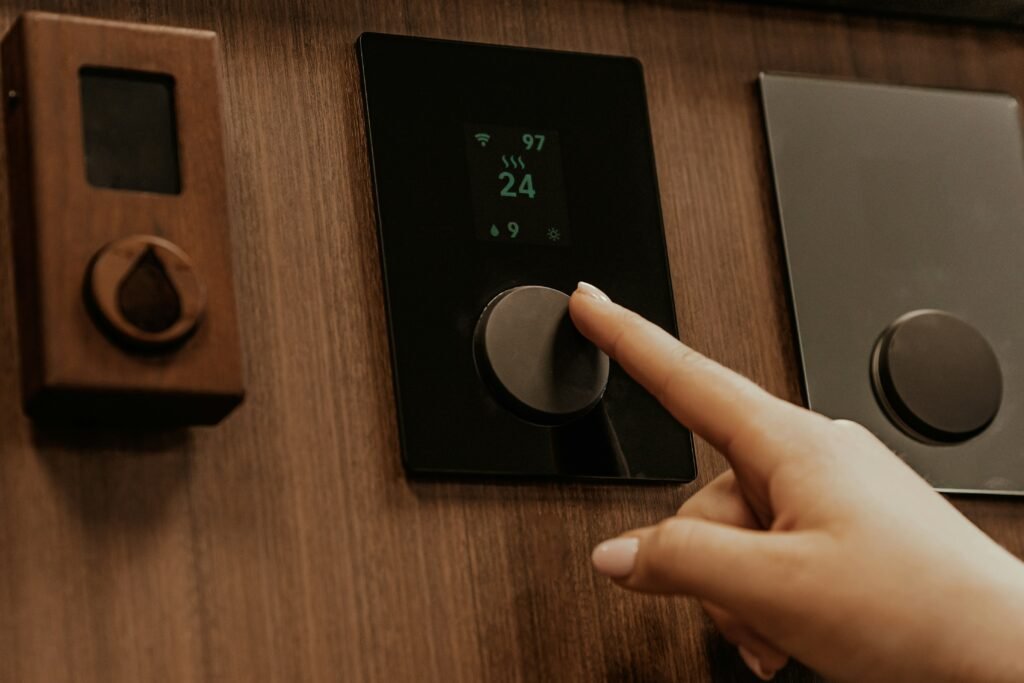
- Smart Thermostat Integration: Maximize efficiency and control with expert installation and programming of the latest smart thermostat technologies.
If you’re looking to lower your utility bills, optimizing your smart thermostat can make a significant difference. By adjusting the settings based on your daily schedule and preferences, you can ensure that your heating and cooling systems operate more efficiently. For those considering an upgrade to their HVAC system, you might find it beneficial to explore options like mini-split ductless AC installations. These systems not only provide comfort but can also enhance energy efficiency. To learn more about this innovative solution, check out this informative article on mini-split ductless AC installation.
The W&P HVAC Difference: Precision, Reliability, Local Expertise
Choosing W&P HVAC means choosing a partner committed to your comfort and peace of mind. We stand behind our work with unwavering dedication to quality and customer satisfaction.
- Certified Technicians: Our team comprises highly trained, certified professionals who stay ahead of the latest HVAC technologies and best practices.
- Transparent Pricing: You’ll receive clear, upfront estimates before any work begins. No hidden fees, no surprises.
- Unrivaled Local Knowledge: We’re not just an HVAC company; we’re part of the Tri-State community. We understand the specific challenges and requirements of homes in this region.
- Commitment to Efficiency: Our goal is to reduce your energy consumption and lower your utility bills, making your home more environmentally friendly and cost-effective.
Don’t let a failing HVAC system dictate your comfort or your budget. Eliminate the guesswork and partner with the real technical experts.
Help is just a call away—24/7, rain or shine. Call (718) 607-0132 for a free estimate.
To further enhance your understanding of how to lower utility bills through effective home energy management, you might find the article on AC system maintenance and tune-ups particularly useful. Regular maintenance not only ensures that your air conditioning system operates efficiently but also complements the benefits of optimizing your smart thermostat. For more insights, check out the article here: AC System Maintenance and Tune-Ups.
Lower Utility Bills: Optimize Smart Thermostat
1. Understanding Your Smart Thermostat’s Core Components
A smart thermostat is far more than a simple on/off switch for your HVAC system. To truly lower your utility bills, it’s imperative to understand its underlying architecture and how each component contributes to energy efficiency. This isn’t about setting it and forgetting it; it’s about intelligent interaction.
1.1. Advanced Sensors and Their Role
Modern smart thermostats are equipped with sophisticated sensors that gather crucial data points beyond just ambient temperature.
- Temperature Sensors: While fundamental, their precision and placement within the device, or via external probes, influence accuracy and prevent short-cycling or over-cooling/heating. Understanding their calibration helps optimize readings.
- Humidity Sensors: Crucial for comfort and energy. High indoor humidity makes an 80°F room feel warmer, leading to over-cooling. A smart thermostat can trigger dehumidification or adjust set points based on perceived comfort rather than absolute temperature. This reduces AC run-time and prevents mold growth, indirectly saving energy.
- Occupancy Sensors: Many high-end models incorporate passive infrared (PIR) or ultrasonic sensors to detect presence. This is a game-changer for energy savings. If no one is home, the thermostat can automatically transition to an “away” setting, preventing unnecessary heating or cooling of an empty house. This isn’t guesswork; it’s direct detection.
- Light Sensors (Ambient Light): Some thermostats use light sensors to detect day/night cycles, informing programming adjustments or engaging display backlighting intelligently, conserving minor amounts of internal energy.
1.2. Connectivity Protocols and Their Impact on Performance
The way your smart thermostat communicates is critical for remote access, data exchange, and integration with other smart home devices.
- Wi-Fi (802.11 Series): The most common protocol, enabling direct connection to your home network for internet access. This allows for remote control via smartphone apps, over-the-air firmware updates, and cloud-based data analytics. Reliability of your home Wi-Fi directly impacts responsiveness and data flow.
- Zigbee/Z-Wave: Lower power mesh networking protocols often used in complete smart home ecosystems. While less common for direct internet connectivity in standalone thermostats, some models might use these for accessory sensors (e.g., remote room sensors). Their efficiency makes them ideal for battery-powered devices.
- Bluetooth Low Energy (BLE): Typically used for initial setup or very short-range communication with local devices. Less common for primary operational control but can facilitate pairing with external sensors.
1.3. Onboard Processing Power and Learning Algorithms
The “smart” in smart thermostat comes from its processing capabilities and sophisticated software.
- Microcontrollers: These dedicated processors execute the thermostat’s operating system, manage sensor data, and control HVAC output. More powerful microcontrollers enable faster response times and complex calculations.
- Machine Learning Algorithms: This is where true optimization happens. Your smart thermostat isn’t just following a schedule; it’s learning your preferences, home’s thermal characteristics (how quickly it heats/cools), and even local weather patterns. It uses this data to:
- Anticipate Needs: Pre-heat or pre-cool your home before you arrive based on learned patterns and travel time.
- Optimize Start Times: Learn how long it takes to reach a target temperature and start your HVAC system at the most efficient moment.
- Identify Anomalies: Detect unusual temperature fluctuations that might indicate system issues, though this capability is often more advanced in integrated HVAC systems.
2. Strategic Scheduling and Geofencing for Peak Efficiency
Effective scheduling and advanced geofencing are the cornerstones of significant utility bill reduction. These features move beyond manual adjustments, automating comfort based on your actual lifestyle.
2.1. Dynamic Programming for Occupancy Cycles
Moving past static schedules is essential. Your life isn’t a fixed timetable.
- Daily Schedules (Work/Sleep/Away): Establish baseline schedules for weekdays and weekends. Set back temperatures significantly when the house is empty – typically 7-10 degrees Fahrenheit (4-6 degrees Celsius) in unoccupied periods. This is often the single most impactful adjustment.
- Vacation Mode: When you leave for extended periods (vacations, business trips), engage a specific “vacation mode.” This setting maintains a safe, minimal temperature to protect pipes from freezing in winter or prevent extreme heat/humidity in summer, but avoids full comfort conditioning, saving substantial energy.
- Adaptive Recovery/Optimized Start: Enable “adaptive recovery” or “optimized start” features. The thermostat learns how long your HVAC system takes to reach a desired temperature. Instead of turning on at your programmed “comfort time,” it calculates and starts earlier, ensuring the target temperature is met precisely when you want it, but only running the system for the minimum necessary duration. This avoids both energy waste and discomfort.
2.2. Leveraging Geofencing for Automated Savings
Geofencing uses your smartphone’s location to determine if anyone is home, triggering automatic HVAC adjustments.
- Single-User Geofencing: For individuals, the thermostat switches to an “away” setting when your phone leaves a defined perimeter around your home and returns to “home” settings when you approach. This is ideal for unpredictable schedules.
- Multi-User Geofencing: Essential for families. The thermostat only switches to “away” mode when all designated household members (and their phones) have left the geofenced area. It engages “home” mode when the first person returns, ensuring comfort upon arrival without wasting energy when others are still out. This requires coordination among household members to ensure they carry their linked devices.
- Adjusting Geofence Radius: Experiment with the geofence radius. Too small, and it might turn on too late; too large, and it might run longer than necessary. A few miles radius typically works well for pre-conditioning.
- Battery Impact: Be aware that continuous location services can impact smartphone battery life. Advise users on optimizing settings.
3. Harnessing Weather Data and Remote Sensor Integration
The “smart” aspect of these thermostats is significantly amplified by real-time external data. Using this information intelligently elevates their energy-saving potential.
3.1. External Weather Integration for Proactive Control
Your local weather dictates much of your HVAC load. Smart thermostats leverage this data.
- Forecasting Adjustments: Many thermostats download local weather forecasts. If a significant temperature drop is predicted overnight, the thermostat might slightly over-heat your home earlier in the evening to reduce the need for aggressive heating during the coldest hours. Conversely, it might pre-cool if a heatwave is imminent.
- Humidity Management: Integration with hyper-local humidity data allows the thermostat to proactively manage indoor humidity levels, often in conjunction with its own internal sensors. High outdoor humidity might prompt earlier dehumidifier activation or a slight reduction in cooling set point to maintain perceived comfort.
- “Rush Hour Rewards” / Demand Response Programs: Many utility companies offer incentives for reducing energy consumption during peak demand periods. Smart thermostats can integrate with these programs, automatically adjusting temperatures by a few degrees during “rush hour” events to save you money and reduce grid strain, often with financial incentives. Users can typically opt-out of individual events if comfort is paramount.
3.2. Optimizing with Remote Room Sensors
Not all rooms are created equal, especially in larger or multi-story homes. Remote sensors offer a more nuanced approach to temperature control.
- Addressing Hot/Cold Spots: Instead of relying solely on the thermostat’s central location, place sensors in frequently used rooms that suffer from temperature imbalances (e.g., a perpetually cold basement, a sun-baked upstairs bedroom).
- Temperature Averaging: Some smart thermostats can average the temperature readings from multiple sensors to achieve a more consistent overall home temperature, preventing over-conditioning of the room where the main thermostat is located.
- Follow Me / Occupancy-Based Prioritization: A powerful feature where the thermostat prioritizes the temperature of the room currently occupied. If you’re in the living room, it uses that sensor’s reading; if you move to the bedroom, it switches focus. This ensures comfort where you are, not where the thermostat is, significantly reducing wasted energy in empty rooms (though it requires a system that can zone effectively, or it simply optimizes for one occupied zone).
- Preventing Short Cycling: In homes with uneven heat distribution, a central thermostat might satisfy its own reading while other rooms are still uncomfortable, leading to longer run times. Remote sensors provide actual data from problem areas, allowing for more intelligent, complete conditioning cycles.
4. Continuous Monitoring and Data-Driven Adjustments
The true power of a smart thermostat lies in its ability to collect data and present it in an actionable format, empowering you to make informed decisions that further reduce your utility bills.
4.1. Energy Usage Reporting and Insights
Smart thermostats aren’t just controlling; they’re reporting. This data is invaluable.
- Detailed Run-Time Reports: Access hourly, daily, weekly, and monthly reports on when your HVAC system ran, for how long, and for heating versus cooling. This visual data helps identify patterns of excessive usage.
- Temperature Trend Analysis: Observe indoor and outdoor temperature trends alongside your system run times. This can reveal if your home is losing heat too quickly or gaining heat excessively, potentially indicating insulation issues.
- Comparative Data: Some apps allow you to compare your energy usage to previous periods (e.g., last month, last year) or even to similar homes in your area (anonymously). This benchmarking provides context for your savings.
- Personalized Tips: Based on your usage patterns, many smart thermostat apps offer personalized recommendations to further reduce energy consumption, such as suggesting slight temperature adjustments or optimizing schedules.
4.2. Identifying and Addressing Inefficiencies with Data
The reports aren’t just for looking; they’re for acting.
- Spotting Short Cycling: If your system is turning on and off very frequently for short bursts, it’s “short cycling.” This is inefficient and hard on equipment. Data reports can highlight this, prompting investigation into potential issues like oversized equipment, thermostat placement, or a clogged filter.
- Revealing Drafts/Poor Insulation: Consistent, rapid temperature drops in your home, especially overnight, as shown in the data logs, might indicate issues with insulation, weather stripping, or window seals. Addressing these building envelope issues will significantly enhance your HVAC efficiency.
- Optimizing Set Points and Schedules: Reviewing historical data helps refine your programming. Perhaps your “away” temperature isn’t aggressive enough, or your “sleep” temperature can be adjusted by another degree without impacting comfort. The data provides empirical evidence for these tweaks.
- Understanding HVAC System Health: Unusual spikes in run time or difficulty reaching set points over time, as logged by the thermostat, can be an early indicator of a developing problem with your HVAC unit itself, allowing for proactive maintenance rather than emergency repairs.
5. Advanced Integrations and System Longevity Solutions
Maximizing your smart thermostat’s potential extends to how it interacts with other home technologies and its contribution to the overall health of your HVAC system.
5.1. Smart Home Ecosystem Integration for Synergistic Savings
Your smart thermostat doesn’t have to operate in isolation.
- Voice Control Integration (Alexa, Google Assistant, Siri): While primarily for convenience, voice control can contribute to savings by making quick, minor adjustments simple. “Alexa, set the thermostat to 72 degrees” is faster than navigating an app, encouraging small, efficient changes.
- Integration with Smart Lighting/Shades: Link your thermostat to smart blinds or shades. On hot days, have shades automatically close when the AC is running to reduce solar heat gain. During winter, open them on sunny days to passively heat the home.
- Interfacing with Smart Vents/Zoning Systems: For homes with multiple zones or smart vents, the thermostat becomes the central brain, ensuring air is directed only where needed, achieving much more precise and efficient comfort control for different areas of the house.
- IFTTT (If This Then That) Applets: Utilize IFTTT for highly customized automations. For example: “If the outdoor temperature drops below 40°F, then set the thermostat to 68°F and turn on the smart space heater in the basement.” Or, “If my smart doorbell detects motion after 10 PM, verify I’m home and adjust thermostat.”
5.2. Promoting HVAC System Health and Longevity
A smart thermostat isn’t just about current savings; it’s about protecting your long-term investment.
- Filter Change Reminders: Many smart thermostats track HVAC run-time and can send notifications when it’s time to change your air filter. A dirty filter significantly restricts airflow, causes your system to work harder, consume more energy, and can lead to costly breakdowns.
- System Diagnostics and Alerts: Advanced models can monitor key performance indicators of your HVAC system itself (e.g., fan operation, compressor cycles). They can send proactive alerts if they detect unusual patterns that might indicate a developing problem (e.g., refrigerant leak, coil icing, unusual power draw). This allows for early intervention, preventing minor issues from escalating into major, expensive repairs.
- Optimal Cycling: By preventing short cycling and ensuring appropriate run times through adaptive recovery and smart scheduling, the thermostat reduces wear and tear on your compressor and other components, extending the lifespan of your entire HVAC system.
- Professional Monitoring Integration: Some smart thermostats offer optional professional monitoring services. If a critical fault is detected, the service can alert both you and your HVAC service provider, ensuring rapid response and potentially preventing system failure. This “smart” preventative maintenance is a significant long-term money saver.
FAQs

What is a smart thermostat?
A smart thermostat is a device that can be connected to a home’s heating and cooling system to regulate the temperature based on the homeowner’s preferences and schedule. It can be controlled remotely through a smartphone app and can also learn the homeowner’s habits to optimize energy usage.
How can a smart thermostat help lower utility bills?
Smart thermostats can help lower utility bills by optimizing energy usage. They can automatically adjust the temperature based on the homeowner’s schedule, detect when the house is empty, and make energy-efficient decisions to reduce heating and cooling costs.
What are the features of a smart thermostat?
Some common features of smart thermostats include remote control through a smartphone app, learning capabilities to adjust to the homeowner’s habits, energy-usage reports, and compatibility with other smart home devices such as voice assistants and sensors.
Are smart thermostats compatible with all heating and cooling systems?
Smart thermostats are compatible with most heating and cooling systems, including central heating and air conditioning, heat pumps, and some multi-zone systems. However, it’s important to check the compatibility of a specific smart thermostat with the existing HVAC system before purchasing.
Are there any rebates or incentives for installing a smart thermostat?
Many utility companies and government agencies offer rebates and incentives for installing a smart thermostat as part of energy-saving initiatives. Homeowners should check with their local utility provider or government website to see if there are any available incentives for installing a smart thermostat.