
New York and Tri-State homeowners dread one scenario above all others: stepping inside on a sweltering summer day only to be met with warm, stagnant air. That blast of hot air isn’t just uncomfortable; it signals a problem that can quickly escalate, turning your home into an oven and your energy bills into a nightmare. At W&P HVAC, we understand the immediate concern and the underlying technical issues when your AC blows hot air. We’re the local experts providing swift, precise, and permanent solutions across the Tri-State area.
1. Understanding the Immediate Crisis: Why Your AC is Blowing Hot Air
When your air conditioner isn’t cooling, it’s not just an inconvenience; it’s a technical malfunction demanding prompt attention. Ignoring the signs can lead to further system damage, higher repair costs, and prolonged discomfort.
1.1. The Basic Physics of AC Failure
An AC unit functions by transferring heat out of your home. When it starts blowing warm air, this fundamental process has broken down. It’s not just a matter of ‘no cold air’ but an active failure to remove heat. This could be due to a range of issues, from simple electrical glitches to complex refrigerant leaks.
1.2. The Energy Bill Escalation
A malfunctioning AC isn’t just failing to cool; it’s often working harder, consuming more electricity, and delivering less. This inefficiency translates directly to skyrocketing utility bills. Your system struggles to reach its set temperature, running constantly but achieving nothing, costing you significantly.
If you’re dealing with an air conditioning unit that is blowing hot air, it’s crucial to address the issue promptly to maintain a comfortable indoor environment. In addition to emergency AC repair tips, you might find it helpful to explore ways to enhance your HVAC system’s efficiency. A related article that discusses how to save energy costs through smart thermostat setup can provide valuable insights. You can read more about it here: Save Energy Costs via Smart Thermostat Setup.
2. Common Culprits: What’s Causing Your AC to Blow Hot Air?
Pinpointing the exact cause requires a skilled technician, but understanding the common failures can help you communicate effectively and appreciate the complexity of the repair.
2.1. Refrigerant Leaks: The Silent System Killer
Refrigerant is the lifeblood of your AC system, absorbing heat from your indoor air and releasing it outside. A leak means insufficient refrigerant, leading to a loss of cooling capacity.
2.1.1. Identifying a Refrigerant Leak
Beyond warm air, signs include ice buildup on the outdoor unit’s lines, a hissing sound, or the system running continuously without cooling. Refrigerant is a regulated substance, and recharging without fixing the leak is a temporary, environmentally irresponsible solution. W&P HVAC technicians are certified to locate and repair leaks, ensuring system integrity and regulatory compliance.
2.2. Compressor Issues: The Heart of Your AC System
The compressor circulates refrigerant and pressurizes it. If it fails, the cooling cycle stops.
2.2.1. Compressor Failure Indicators
You might hear a loud grinding or rattling noise, or the outdoor unit simply won’t turn on. Compressor failure is often a serious, costly repair, sometimes necessitating a full system replacement, especially in older units. Our technicians conduct thorough diagnostics to determine if a repair or replacement is the most cost-effective long-term solution.
2.3. Electrical Problems: The Unseen Saboteurs
Modern AC systems rely on a complex network of electrical components – capacitors, relays, contactors, and wiring. A single faulty component can disrupt the entire cooling process.
2.3.1. Diagnosing Electrical Faults
Symptoms can be varied: the fan runs but the compressor doesn’t, the unit cycles on and off rapidly, or it fails to start altogether. Attempting DIY electrical repairs is dangerous and can void warranties. W&P HVAC specialists are trained and equipped to safely diagnose and repair all electrical issues.
2.4. Dirty Coils: Impeding Heat Exchange
Both the evaporator coil (indoors) and condenser coil (outdoors) play crucial roles in heat transfer. Dirty coils hinder this process.
2.4.1. Evaporator Coil Icing
A dirty evaporator coil can’t absorb heat effectively, leading to condensation freezing on its surface. This ice block prevents proper airflow and heat exchange, resulting in warm air. This is often a sign of restricted airflow or low refrigerant.
2.4.2. Condenser Coil Obstruction
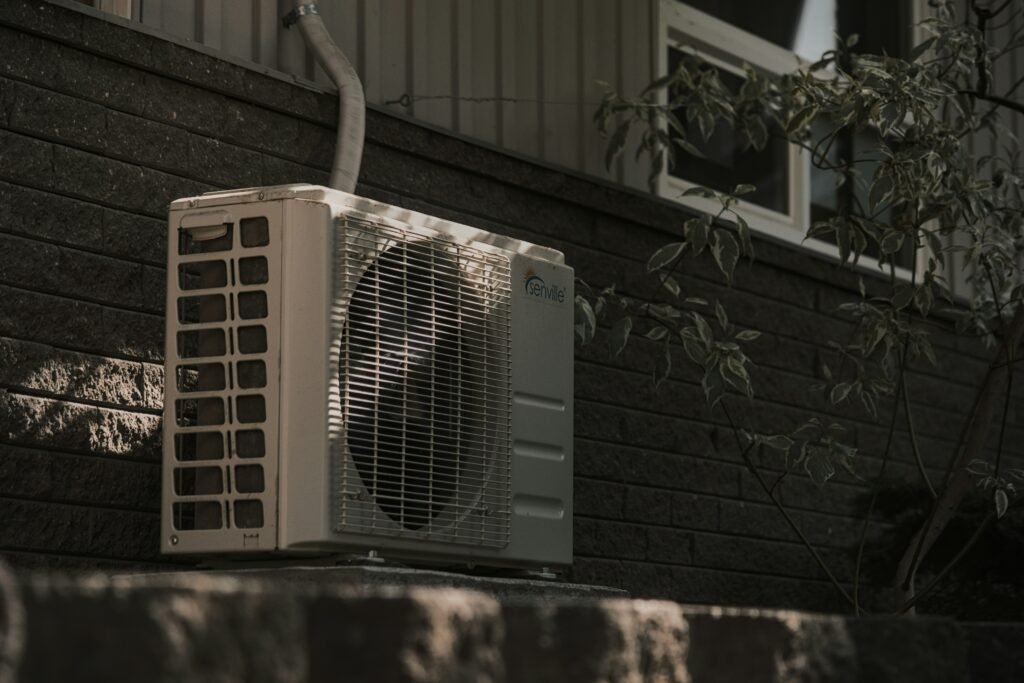
The outdoor condenser coil releases heat. If it’s covered in dirt, debris, or overgrown vegetation, it can’t dissipate heat, causing the system to overheat and perform poorly. Regular cleaning is vital for efficiency.
2.5. Fan Motor Malfunctions: No Air, No Cooling
The indoor blower fan circulates cool air, and the outdoor condenser fan expels heat. If either fails, the system’s ability to cool is severely compromised.
2.5.1. Blower Motor Failure
If the indoor unit isn’t pushing air, or if you hear grinding noises from the indoor unit, the blower motor might be failing. This means the cold air produced by the evaporator coil isn’t reaching your living space.
2.5.2. Condenser Fan Motor Issues
If the outdoor unit isn’t expelling hot air, the condenser fan motor could be faulty. This leads to the compressor overheating and shutting down, or the entire system simply failing to cool.
3. The Urgent Need for Professional Emergency AC Repair
When your AC is blowing hot air, it’s not a DIY project. The complexities of refrigerant, high voltage electricity, and intricate mechanical components demand professional expertise.
3.1. Safety First: Avoiding Hazards
Working with AC units involves significant electrical hazards and pressurized refrigerants. Improper handling can lead to serious injury, electrocution, or environmental damage. W&P HVAC technicians are licensed, insured, and rigorously trained in safety protocols.
3.2. Accurate Diagnosis: Eliminating Guesswork
Without specialized tools and in-depth knowledge, diagnosing the root cause of an AC failure is guesswork. Our technicians use advanced diagnostic equipment to pinpoint the exact problem quickly and accurately, preventing unnecessary repairs or misdiagnoses.
3.3. Long-Term Solutions: Not Just Band-Aids
Our goal is not just to get your AC running again, but to ensure it runs efficiently and reliably for the long term. We focus on comprehensive repairs that address the underlying issue, reducing the likelihood of repeat failures.
4. W&P HVAC’s Emergency Response: Your Tri-State Lifeline
When the heat is unbearable, and your AC fails, you need a partner you can trust—immediately. W&P HVAC stands ready to serve the New York and Tri-State area with unparalleled speed and expertise.
4.1. Localized Expertise for Unique Challenges
The Tri-State area presents unique HVAC challenges: extreme summer humidity, older building infrastructure, and dense urban environments. Our technicians are not just HVAC experts; they are local experts who understand these specific conditions and how they impact your system’s performance.
4.2. 24/7 Availability: We Never Sleep
AC emergencies don’t adhere to business hours. That’s why W&P HVAC offers 24/7 emergency repair services. Whether it’s the middle of the night or a holiday weekend, our technicians are on call, ready to dispatch to your location.
4.3. Fully Stocked Trucks: Prepared for Anything
Our service vehicles are fully stocked with a wide array of common AC parts and diagnostic tools. This readiness often allows us to complete repairs on the first visit, minimizing downtime and restoring your comfort sooner.
If you’re facing issues with your air conditioning unit blowing hot air, it may be time to consider emergency AC repair options. Understanding the common causes of this problem can help you address it more effectively. For further insights, you might find it helpful to read a related article that discusses various troubleshooting tips and maintenance strategies for your HVAC system. Check out this informative piece on HVAC maintenance to ensure your system runs smoothly and efficiently.
5. What to Expect from Your W&P HVAC Emergency Service Call
When you call W&P HVAC, you’re calling for peace of mind. Here’s our streamlined process for resolving your AC emergency.
5.1. Prompt Dispatch and Arrival
From the moment your call is placed, our dispatch team works efficiently to get a technician to your property as quickly as possible. We provide estimated arrival times and communicate proactively.
5.2. Thorough System Diagnosis
Upon arrival, our technician will conduct a comprehensive diagnostic assessment of your entire HVAC system. This includes checking refrigerant levels, electrical components, compressor operation, fan motors, and coil conditions.
5.3. Clear Explanation and Transparent Pricing
Before any work begins, our technician will clearly explain the problem, the recommended solution, and provide a detailed, upfront quote. We believe in transparency—no hidden fees, no surprises.
5.4. Expert Repair and Testing
Once approved, the technician will proceed with the repair using industry best practices and high-quality replacement parts. After the repair, the system will be thoroughly tested to ensure optimal performance and cooling capacity.
5.5. Post-Service Recommendations
Our service doesn’t end with the repair. We provide recommendations for preventive maintenance and energy efficiency improvements to help you avoid future breakdowns and save on utility costs.
6. Preventative Measures: Keeping Your Cool All Season Long
While emergencies happen, proactive maintenance can significantly reduce their likelihood and extend your system’s lifespan.
6.1. Regular Filter Changes
A clogged air filter restricts airflow, forcing your AC to work harder and reducing efficiency. Change filters monthly, especially during peak cooling seasons.
6.2. Annual Professional Tune-Ups
Schedule an annual AC tune-up with W&P HVAC. Our technicians can identify minor issues before they become major breakdowns, clean coils, check refrigerant, and ensure all components are functioning optimally.
6.3. Clear Around Your Outdoor Unit
Ensure the area around your outdoor condenser unit is free from debris, leaves, and overgrown vegetation. This allows for proper airflow and heat dissipation.
Don’t let a failing AC turn your Tri-State home into an unbearable sauna. When your AC blows hot air, it’s more than discomfort; it’s a critical system failure that requires immediate, expert attention. W&P HVAC is the trusted, local authority for emergency AC repair, providing swift, professional, and lasting solutions.
Help is just a call away—24/7, rain or shine. Call (718) 607-0132 for a free estimate.
FAQs
What are common reasons for an AC blowing hot air?
Some common reasons for an AC blowing hot air include low refrigerant levels, a dirty air filter, a malfunctioning thermostat, or a faulty compressor.
How can I troubleshoot my AC blowing hot air?
You can troubleshoot your AC blowing hot air by checking the air filter, ensuring the thermostat is set correctly, and checking for any visible signs of refrigerant leaks or compressor issues.
When should I call for emergency AC repair?
You should call for emergency AC repair if your AC is blowing hot air and the troubleshooting steps do not resolve the issue, or if you notice any signs of a refrigerant leak or electrical issues.
What can I do to temporarily fix my AC blowing hot air?
You can temporarily fix your AC blowing hot air by checking and replacing the air filter, ensuring the thermostat is set correctly, and checking for any visible signs of refrigerant leaks or compressor issues.
How can I prevent my AC from blowing hot air in the future?
To prevent your AC from blowing hot air in the future, you can schedule regular maintenance, change the air filter regularly, and keep the outdoor unit clean and free from debris.